

How does the suspension system of a 20FT Skeleton Chassis Semi Trailer work?
Jul 09, 2025
Leave a message
Hey there! As a supplier of 20FT Skeleton Chassis Semi Trailers, I'm super stoked to take you on a deep - dive into how the suspension system of these bad boys works.
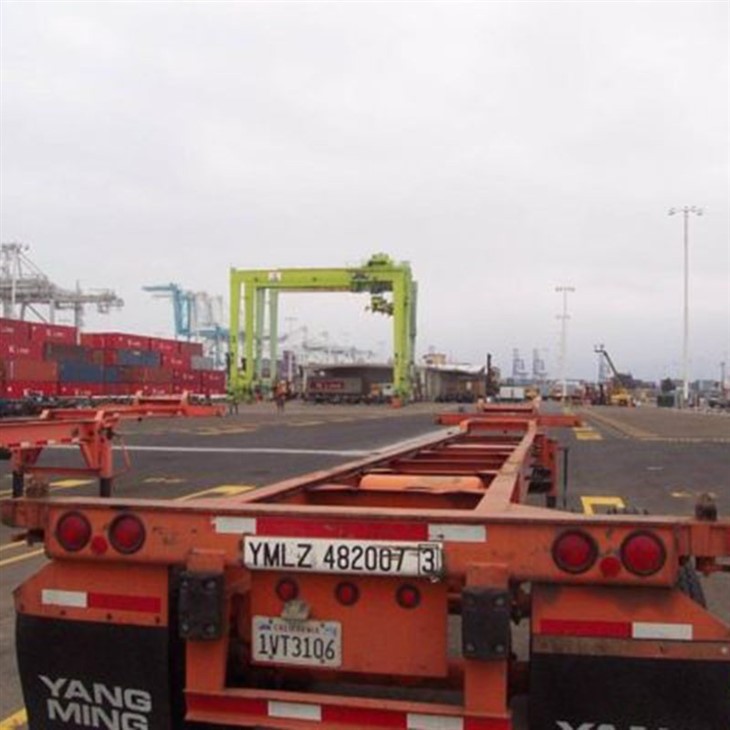
First off, let's understand what a 20FT Skeleton Chassis Semi Trailer is. It's a specialized trailer designed mainly for transporting 20 - foot containers. You can check out our 20FT Skeleton Chassis Semi Trailer on our website to get a better look. These trailers are commonly used in terminal port container shipping and are crucial for the smooth movement of goods across the globe. If you're in the market for trailers used in terminal port container shipping, our Flatbed/Skeleton Terminal Port Container Shipping Trailer might also catch your eye.
Now, let's get to the main event - the suspension system. The suspension system of a 20FT Skeleton Chassis Semi Trailer plays a vital role. It's responsible for a bunch of important things, like providing a smooth ride, ensuring the safety of the cargo, and reducing wear and tear on the trailer itself.
One of the most common types of suspension systems in these trailers is the leaf spring suspension. Leaf springs are made up of multiple layers of metal strips, or leaves, stacked on top of each other. These leaves are curved and are attached to the axle and the trailer frame. When the trailer hits a bump or goes over an uneven surface, the leaf springs flex. This flexing action absorbs the shock and distributes the force evenly across the trailer. It's like having a bunch of little shock absorbers working together.
The advantage of leaf spring suspension is that it's pretty simple and reliable. It can handle heavy loads without too much trouble, which is great because 20 - foot containers can be quite hefty. And it's also relatively easy to maintain. If a leaf gets damaged, you can usually just replace that one leaf instead of having to replace the whole suspension system.
Another type of suspension you might find in these trailers is the air suspension. Air suspension uses air bags instead of leaf springs. These air bags are filled with compressed air, and they can adjust their height and stiffness depending on the load and the road conditions. When the trailer is carrying a heavy load, the air bags can be inflated to provide more support. And when the road is smooth, the air pressure can be adjusted to give a softer ride.
The air suspension system also has a height control valve. This valve monitors the height of the trailer and adjusts the air pressure in the bags accordingly. So, no matter how much weight is on the trailer or what kind of terrain you're driving on, the trailer can stay at a consistent height. This is really important for things like maintaining the correct clearance between the trailer and the ground and for ensuring that the container stays level.
One of the big benefits of air suspension is that it provides a much smoother ride compared to leaf spring suspension. It can really reduce the amount of vibration and shock that the cargo experiences. This is especially important if you're transporting sensitive or fragile goods. And it also helps to reduce the stress on the trailer components, which can extend the lifespan of the trailer.
Now, let's talk about how the suspension system interacts with other parts of the trailer. The suspension is connected to the axle, which is what holds the wheels. The axle needs to be able to rotate freely, and the suspension helps to keep the axle in the right position. When the trailer turns, the suspension also plays a role in ensuring that the wheels turn smoothly and that the trailer doesn't tip over.
The trailer's braking system is also affected by the suspension. A good suspension system helps to keep the wheels in contact with the road surface. This is crucial for effective braking. If the wheels lose contact with the road, the brakes won't work as well, and it can be dangerous. So, the suspension and the braking system work together to keep you and your cargo safe.
We also have the Terminal 30Ft Skeleton Semi Trailer with Twist Locks in our product range, and while it's a different size, many of the suspension concepts are similar. Whether you're hauling a 20 - foot or a 30 - foot container, a well - functioning suspension system is key.
In terms of maintenance, it's important to regularly check the suspension system of your 20FT Skeleton Chassis Semi Trailer. For leaf spring suspension, you should look for signs of wear on the leaves, like cracks or excessive rust. You also need to make sure that the bolts and the mounting points are tight.

For air suspension, you need to check the air bags for leaks and make sure that the air pressure is correct. You should also inspect the height control valve and the air lines for any damage.
A well - maintained suspension system will not only give you a better ride but also save you money in the long run. It can prevent more serious problems from developing, like axle damage or uneven tire wear.
So, if you're in the market for a 20FT Skeleton Chassis Semi Trailer, make sure you pay close attention to the suspension system. It's one of the most important parts of the trailer. And if you have any questions about our trailers or their suspension systems, don't hesitate to reach out. We're here to help you make the best choice for your business. Whether you need a trailer for short - haul or long - haul transportation, we've got you covered.
If you're interested in learning more about our products or are ready to make a purchase, we'd love to have a chat with you. Just get in touch with us, and we can start discussing your specific needs. Our team of experts is always on hand to answer any questions and to guide you through the procurement process.
References
- General knowledge about trailer suspension systems from industry experience
- Manufacturer specifications for 20FT Skeleton Chassis Semi Trailers