

Is a Dangerous Goods Packaging Certificate internationally recognized?
Sep 08, 2025
Leave a message
Hey there! As a supplier of Dangerous Goods Packaging Certificates, I often get asked if these certificates are internationally recognized. Well, let's dive right into this topic and break it down.
First off, what exactly is a Dangerous Goods Packaging Certificate? It's a crucial document that verifies that the packaging used for transporting dangerous goods meets specific safety standards. This certificate is issued after rigorous testing to ensure that the packaging can withstand various conditions during transit and prevent any leakage or accidents that could pose a risk to people, property, and the environment.
Now, to answer the big question: Is a Dangerous Goods Packaging Certificate internationally recognized? The short answer is yes, but it's a bit more complicated than that. There are several international regulations and standards in place to govern the transportation of dangerous goods, and most countries adhere to these to some extent.
One of the most well - known international regulations is the United Nations Recommendations on the Transport of Dangerous Goods (UN RTDG). These recommendations provide a global framework for the safe transport of dangerous goods by all modes of transport, including road, rail, air, and sea. Many countries base their national regulations on the UN RTDG, which means that a Dangerous Goods Packaging Certificate issued in accordance with these recommendations is generally recognized across different nations.
For example, in the air transport sector, the International Air Transport Association (IATA) Dangerous Goods Regulations are closely aligned with the UN RTDG. Airlines around the world follow these regulations to ensure the safety of passengers and crew during flights. A packaging certificate that meets IATA standards is likely to be accepted by airlines globally. Similarly, the International Maritime Organization (IMO) has its own regulations for the transport of dangerous goods by sea, known as the International Maritime Dangerous Goods (IMDG) Code. A certificate compliant with the IMDG Code is recognized in most maritime countries.
However, it's important to note that while there is a high level of international harmonization, there can still be some differences in national regulations. Some countries may have additional requirements or restrictions on top of the international standards. For instance, a country might have specific labeling or documentation requirements that need to be met in addition to the standard packaging certification.

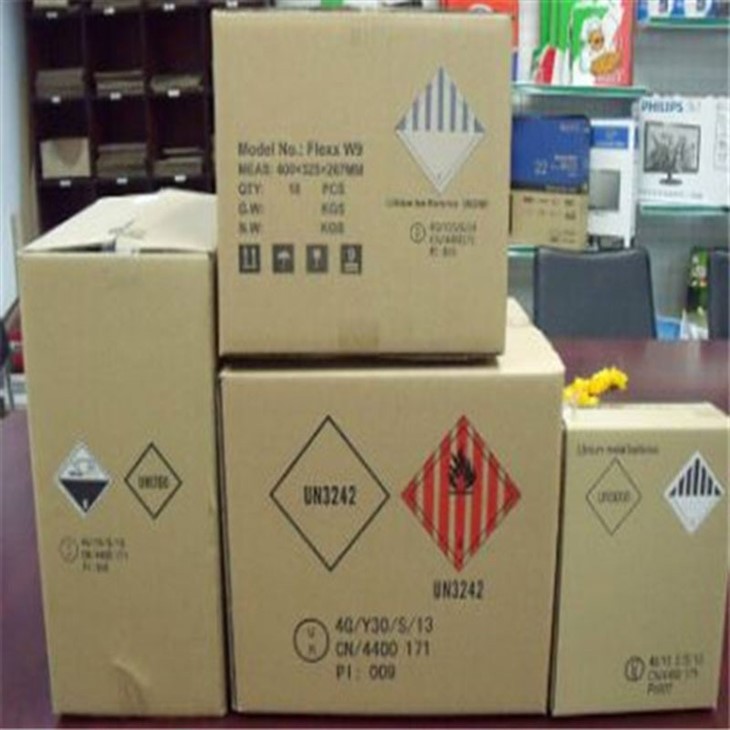
Let's talk about the importance of having an internationally recognized Dangerous Goods Packaging Certificate. If you're a business involved in the transportation of dangerous goods, having a recognized certificate gives you a competitive edge. It allows you to expand your market reach and trade with partners in different countries without having to worry about packaging compliance issues. It also ensures the safety of your products during transit, which is not only a legal obligation but also protects your brand reputation.
As a supplier, I've seen firsthand how a valid and recognized certificate can open up new opportunities for businesses. It gives them the confidence to transport their dangerous goods across borders, knowing that they are meeting all the necessary safety requirements.
Now, if you're in the market for a Dangerous Goods Packaging Certificate, you might be wondering about the testing and certification process. This is where the websites I'm about to mention come in handy.
The process of getting a Dangerous Goods Packaging Certificate involves a series of tests to evaluate the packaging's performance under different conditions. You can learn more about this process on the "Dangerous Goods Packaging Testing and Certification" page Dangerous Goods Packaging Testing and Certification. This page provides detailed information on the types of tests conducted, such as drop tests, stacking tests, and leakproofness tests.
Once the packaging passes the tests, it can be certified. The "Packaging Certification for The Carriage Of Dangerous Goods" page Packaging Certification for The Carriage Of Dangerous Goods explains the certification process in more detail. It also highlights the importance of choosing a reliable certification body to ensure that your certificate is recognized internationally.
Of course, understanding the types of packaging suitable for different dangerous goods is also crucial. The "Packaging For The Transport Of Dangerous Goods" page Packaging For The Transport Of Dangerous Goods offers valuable insights into the various packaging options available, including drums, containers, and intermediate bulk containers (IBCs).
If you're still unsure whether a Dangerous Goods Packaging Certificate is right for your business or have any questions about the process, don't hesitate to reach out. We're here to help you navigate the complex world of dangerous goods packaging and certification. Whether you're a small - scale business or a large multinational corporation, we can provide you with the right solutions to meet your needs.
In conclusion, while a Dangerous Goods Packaging Certificate is generally internationally recognized, it's essential to stay informed about the specific regulations in the countries you're trading with. Working with a reputable supplier like us can make the process much smoother and ensure that you have a valid and recognized certificate. So, if you're looking to transport dangerous goods safely and legally across borders, let's start a conversation about your packaging certification needs.
References
- United Nations Recommendations on the Transport of Dangerous Goods
- International Air Transport Association (IATA) Dangerous Goods Regulations
- International Maritime Organization (IMO) International Maritime Dangerous Goods (IMDG) Code