

What are the industry associations related to Dangerous Goods Packaging Certificates?
Sep 01, 2025
Leave a message
In the realm of international trade and logistics, the proper packaging of dangerous goods is not just a matter of convenience; it's a critical safety requirement. As a supplier of Dangerous Goods Packaging Certificates, I've had the privilege of working closely with various industry players, witnessing firsthand the importance of these certificates and the role of industry associations in upholding safety standards. In this blog post, I'll explore the key industry associations related to Dangerous Goods Packaging Certificates and how they contribute to the safety and efficiency of the global supply chain.
International Maritime Organization (IMO)
The International Maritime Organization is a specialized agency of the United Nations responsible for regulating shipping. One of its most significant contributions to the dangerous goods sector is the International Maritime Dangerous Goods (IMDG) Code. This code provides detailed regulations for the safe transportation of dangerous goods by sea, including packaging requirements.
The IMDG Code specifies the types of packaging suitable for different classes of dangerous goods, as well as the testing and certification procedures. For example, it mandates that packaging for dangerous goods must be able to withstand a series of tests, such as stacking, drop, and leak tests, to ensure its integrity during transit. As a supplier of Dangerous Goods Packaging Certificates, we often refer to the IMDG Code to ensure that the packaging we certify meets these stringent standards.
By adhering to the IMDG Code, shipping companies can minimize the risk of accidents and environmental disasters at sea. The IMO also plays a crucial role in promoting international cooperation and standardization in the transportation of dangerous goods, which is essential for the smooth operation of global trade. For more information on the specific certification requirements under the IMDG Code, you can visit our page on UN Mark Certification for Packaging Of Dangerous Goods.
International Air Transport Association (IATA)
The International Air Transport Association represents the world's airlines and is responsible for setting safety standards for air cargo transportation. The IATA Dangerous Goods Regulations (DGR) are a comprehensive set of rules that govern the packaging, labeling, and handling of dangerous goods on board aircraft.
The DGR are updated annually to reflect the latest safety requirements and technological advancements. They cover a wide range of dangerous goods, from flammable liquids and gases to radioactive materials. As a supplier of Dangerous Goods Packaging Certificates, we ensure that the packaging we certify complies with the DGR to meet the strict safety standards of air transportation.
One of the key features of the DGR is the requirement for proper packaging and labeling. Packaging must be designed to prevent leakage, breakage, and contamination, even under the extreme conditions of air travel. Labels must clearly indicate the nature of the dangerous goods and any special handling instructions. By following the DGR, airlines can ensure the safety of their passengers, crew, and cargo. For more details on the testing and certification process for air cargo packaging, check out our page on Dangerous Goods Packaging Testing and Certification.
United Nations Committee of Experts on the Transport of Dangerous Goods (UNCETDG)
The United Nations Committee of Experts on the Transport of Dangerous Goods is a global body that develops and maintains the UN Recommendations on the Transport of Dangerous Goods. These recommendations serve as the basis for national and international regulations on the transportation of dangerous goods by all modes of transport, including road, rail, sea, and air.
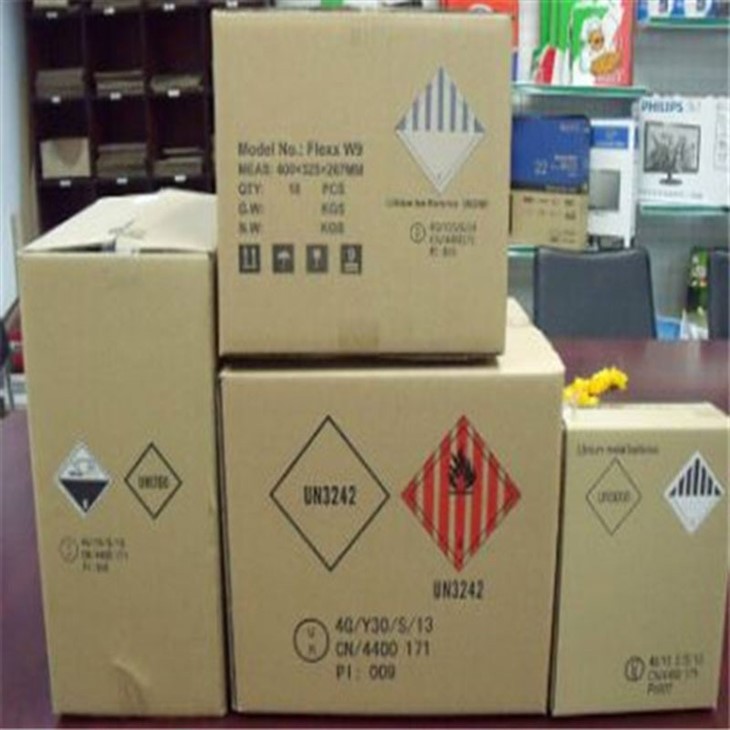

The UN Recommendations provide a harmonized set of standards for the classification, packaging, labeling, and documentation of dangerous goods. They are regularly updated to reflect new scientific knowledge and technological developments. As a supplier of Dangerous Goods Packaging Certificates, we rely on the UN Recommendations to ensure that our certificates are recognized and accepted worldwide.
One of the most important aspects of the UN Recommendations is the UN Mark, which is a symbol that indicates that the packaging has been tested and certified to meet the UN standards. The UN Mark is recognized globally and is a key requirement for the transportation of dangerous goods. For more information on the UN Mark and its significance, visit our page on UN Mark Certification for Packaging Of Dangerous Goods.
National Regulatory Bodies
In addition to international organizations, each country has its own regulatory bodies responsible for enforcing the regulations on the transportation of dangerous goods. These bodies play a crucial role in ensuring compliance with national laws and regulations.
For example, in the United States, the Department of Transportation (DOT) is responsible for regulating the transportation of dangerous goods by all modes of transport. The DOT issues regulations and guidelines that are similar to the international standards but may also include additional requirements specific to the country. As a supplier of Dangerous Goods Packaging Certificates, we work closely with national regulatory bodies to ensure that our certificates meet the local requirements.
National regulatory bodies also conduct inspections and audits to ensure that companies are complying with the regulations. They have the authority to issue fines and penalties for non-compliance, which serves as a strong incentive for companies to adhere to the safety standards. By working with national regulatory bodies, we can help our clients avoid costly fines and ensure the smooth operation of their supply chains. For more information on the specific requirements for container trailer packing certificates, visit our page on Dangerous Goods Container Trailer Packing Certificate.
Industry Associations and Their Role in Certification
Industry associations also play an important role in the certification process. They provide training, education, and networking opportunities for their members, which helps to improve the overall quality of the dangerous goods packaging industry.
For example, the International Safe Transit Association (ISTA) is an organization that focuses on the safe transit of products, including dangerous goods. ISTA develops testing protocols and standards for packaging, which can be used by companies to ensure that their packaging can withstand the rigors of transportation. As a supplier of Dangerous Goods Packaging Certificates, we often recommend ISTA testing to our clients to ensure the reliability of their packaging.
Another important industry association is the National Association of Chemical Distributors (NACD). The NACD promotes the safe handling, storage, and transportation of chemicals. They provide training and resources for their members, which helps to improve the safety and efficiency of the chemical distribution industry. By working with industry associations, we can stay up-to-date with the latest trends and best practices in the dangerous goods packaging industry.
Conclusion
In conclusion, the proper packaging of dangerous goods is essential for the safety of people, property, and the environment. Industry associations, both international and national, play a crucial role in setting and enforcing the standards for dangerous goods packaging. As a supplier of Dangerous Goods Packaging Certificates, we are committed to providing high-quality certificates that meet the requirements of these industry associations and regulatory bodies.
If you are in need of Dangerous Goods Packaging Certificates, we invite you to contact us for a consultation. Our team of experts can help you navigate the complex world of dangerous goods packaging regulations and ensure that your packaging meets the highest safety standards. We look forward to working with you to ensure the safe and efficient transportation of your dangerous goods.
References
- International Maritime Organization (IMO). International Maritime Dangerous Goods (IMDG) Code.
- International Air Transport Association (IATA). Dangerous Goods Regulations (DGR).
- United Nations Committee of Experts on the Transport of Dangerous Goods (UNCETDG). UN Recommendations on the Transport of Dangerous Goods.
- Department of Transportation (DOT). Regulations on the Transportation of Dangerous Goods.
- International Safe Transit Association (ISTA). Testing Protocols and Standards.
- National Association of Chemical Distributors (NACD). Resources on Chemical Safety.