

What are the requirements for truck maintenance in air - associated transportation?
Oct 23, 2025
Leave a message
What are the requirements for truck maintenance in air - associated transportation?
As a supplier in the Truck Air Transportation industry, I understand firsthand the critical role that proper truck maintenance plays in ensuring the seamless and efficient operation of air - associated transportation services. Truck maintenance in this context is not just about keeping the vehicle running; it is about meeting a set of strict requirements that guarantee safety, reliability, and compliance with various regulations.
Safety Requirements
Safety is the top priority in any form of transportation, and air - associated trucking is no exception. Trucks used in this type of transportation often carry valuable and sometimes time - sensitive cargo, and any safety incident can have far - reaching consequences.
One of the primary safety requirements is the regular inspection of the truck's braking system. Brakes are the most crucial safety component of a truck, and they must be in perfect working condition. This means checking the brake pads, rotors, brake lines, and fluid levels at regular intervals. A worn - out brake pad can significantly reduce the truck's stopping power, increasing the risk of accidents, especially when transporting heavy loads over long distances.
The tire condition is another vital safety aspect. Tires should be inspected for proper inflation, tread depth, and any signs of damage such as cuts or bulges. Under - inflated tires can lead to increased fuel consumption, uneven tire wear, and a higher risk of blowouts. In air - associated transportation, where trucks may be required to travel long distances quickly, a tire blowout can cause significant delays and pose a serious safety hazard.
Lights and signaling devices also need to be in good working order. Headlights, taillights, brake lights, and turn signals are essential for visibility, especially during night - time or adverse weather conditions. Faulty lights can make it difficult for other drivers to see the truck, increasing the risk of collisions.
Regulatory Requirements
Truck maintenance in air - associated transportation must comply with a variety of local, national, and international regulations. These regulations are put in place to ensure the safety of the public, the environment, and the integrity of the transportation system.
Emission standards are a significant regulatory requirement. Trucks are required to meet certain emission levels to reduce their environmental impact. This may involve regular maintenance of the engine's emission control systems, such as catalytic converters and diesel particulate filters. Non - compliant trucks may face fines or be prohibited from operating in certain areas.
Weight limits are another important regulatory aspect. Trucks must be properly maintained to ensure that they can carry the allowed weight without exceeding the legal limits. Overloading a truck can cause excessive wear and tear on the vehicle's components, such as the suspension, axles, and brakes, and can also lead to traffic violations.
Driver hours and rest requirements are also related to truck maintenance. Trucks need to be maintained in a way that allows drivers to operate them safely within the legal working hours. This may involve ensuring that the truck's cabin is comfortable, with proper ventilation, seating, and ergonomic controls. Fatigued drivers are more likely to make mistakes, and a well - maintained truck can help reduce driver fatigue.
Cargo - Specific Requirements
In air - associated transportation, trucks often carry a wide range of cargo, from general freight to perishable goods and hazardous materials. Each type of cargo has its own specific maintenance requirements.
For perishable goods, temperature - controlled trucks are often used. These trucks require regular maintenance of the refrigeration systems to ensure that the cargo remains at the proper temperature throughout the journey. This includes checking the refrigerant levels, the compressor, and the insulation of the cargo compartment.
When transporting hazardous materials, trucks must meet strict safety and maintenance standards. The vehicle's containment systems, such as tanks and drums, need to be inspected regularly for leaks or damage. The truck should also be equipped with proper safety equipment, such as fire extinguishers and spill - containment materials.
General freight also has its own maintenance requirements. Trucks carrying heavy or bulky items may require additional reinforcement of the cargo area to prevent damage to the truck and the cargo. Straps, chains, and other securing devices need to be in good condition to ensure that the cargo is properly secured during transit.
Preventive Maintenance
Preventive maintenance is key to meeting all the requirements for truck maintenance in air - associated transportation. By performing regular maintenance tasks, potential problems can be identified and addressed before they become major issues.

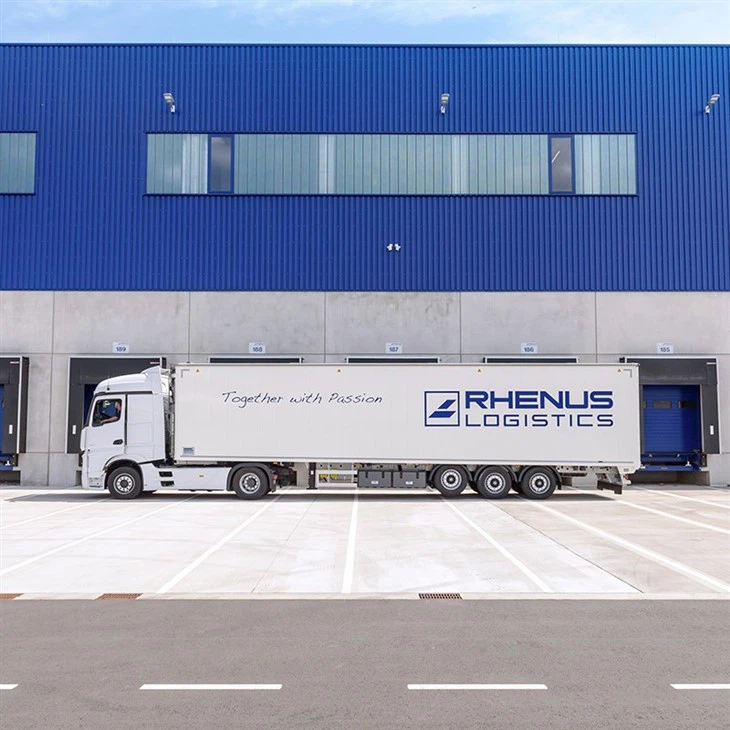
Scheduled maintenance should include oil changes, filter replacements, and tune - ups. These tasks help keep the engine running smoothly and efficiently. Regular lubrication of moving parts, such as the suspension and steering components, can also extend the lifespan of these parts and reduce the risk of breakdowns.
In addition to scheduled maintenance, daily pre - trip inspections are essential. Drivers should check the truck's fluid levels, tire pressure, lights, and brakes before each trip. Any issues found during these inspections should be reported and addressed immediately.
The Role of Technology in Truck Maintenance
Advancements in technology have also had a significant impact on truck maintenance in air - associated transportation. Telematics systems can be used to monitor the truck's performance in real - time, providing data on engine performance, fuel consumption, and maintenance needs. This data can be used to schedule maintenance more effectively and to identify potential problems before they cause breakdowns.
Diagnostic tools have also become more sophisticated, allowing mechanics to quickly and accurately identify issues with the truck's components. This reduces the time and cost of repairs and helps keep the trucks on the road.
Conclusion
In conclusion, truck maintenance in air - associated transportation is a complex and multi - faceted process that requires careful attention to safety, regulatory, and cargo - specific requirements. As a [Truck Air Transportation] supplier, we are committed to meeting these requirements to ensure the reliable and efficient delivery of our customers' cargo.
If you are looking for a Professional Road Freight Forwarder By Truck, a Truck Shipping Forwarder To Vietnam, or an Experienced International Transportation Truck Air Cargo Logistics service, we are here to provide you with the best solutions. We invite you to contact us for procurement and further discussions on how we can meet your transportation needs.
References
- Federal Motor Carrier Safety Administration (FMCSA) regulations on truck maintenance.
- International Air Transport Association (IATA) guidelines for air - associated transportation.
- Society of Automotive Engineers (SAE) standards for truck components and maintenance.