

What is the significance of markings on a dangerous goods package with a certificate?
Oct 14, 2025
Leave a message
In the realm of transporting dangerous goods, the markings on a dangerous goods package with a certificate play a pivotal role. As a provider of Dangerous Goods Packaging Certificate, I have witnessed firsthand the far - reaching implications of these markings. This blog aims to delve into the significance of such markings, exploring their functions, regulatory requirements, and impact on safety and trade.

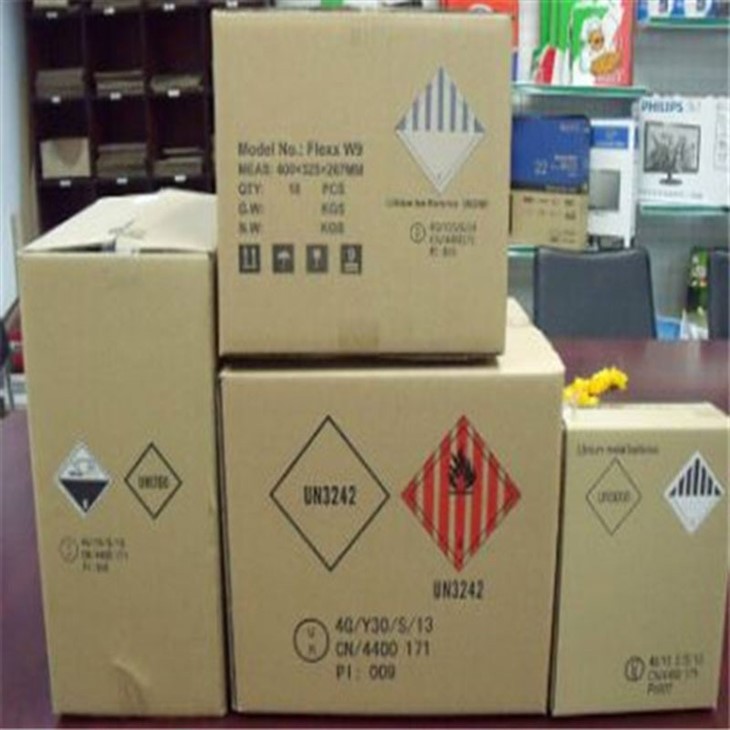
The Basics of Dangerous Goods Packaging Markings
Markings on dangerous goods packages serve as a universal language in the transportation industry. They convey crucial information about the nature of the contents, the appropriate handling procedures, and the compliance of the package with international standards. When these packages are accompanied by a certificate, it adds an extra layer of credibility and assurance.
The markings typically include symbols, numbers, and letters that are standardized across the globe. For example, the UN number is a four - digit code that uniquely identifies each dangerous substance or article. This code allows those involved in the transportation process, from shippers to carriers and receivers, to quickly identify the specific dangerous good and take the necessary precautions.
The package type is also clearly marked. Different types of packages, such as drums, boxes, or cylinders, are designed to contain specific types of dangerous goods. The marking indicates the strength and suitability of the package for the contents. For instance, a package marked with "1A1" might refer to a steel drum of a particular design type, which is suitable for a range of liquid or solid dangerous goods.
Safety Significance
The most fundamental significance of markings on a dangerous goods package with a certificate is safety. These markings are a critical line of defense in preventing accidents during transportation.
Firstly, they provide clear instructions for handling. Workers who come into contact with the packages need to know how to lift, store, and transport them safely. Markings can indicate whether a package should be kept upright, away from heat sources, or if it requires special ventilation. For example, a package marked with a "flammable" symbol and specific handling instructions will alert workers to the risk of fire and guide them on proper storage and handling to minimize the chances of ignition.
Secondly, in case of an emergency, such as a spill or a fire, the markings allow first responders to quickly identify the nature of the dangerous goods. This enables them to select the appropriate response measures. For example, if a package is marked as containing a corrosive substance, firefighters will know to use the right type of protective equipment and neutralizing agents. The certificate associated with the package further validates that the package has been tested and meets the necessary safety standards, giving responders more confidence in their actions.
Regulatory Compliance
Regulatory bodies around the world have established strict rules regarding the marking of dangerous goods packages. A certificate is often required to prove that the package meets these regulations.
International regulations, such as the United Nations Recommendations on the Transport of Dangerous Goods (UN RTDG), set the global standard for dangerous goods transportation. These regulations specify the format, size, and content of the markings. For example, the UN RTDG requires that the UN number be prominently displayed on the package. A package without the correct markings or a valid certificate may be rejected at ports, borders, or during inspections.
National and regional regulations also play a role. In the European Union, the ADR (European Agreement concerning the International Carriage of Dangerous Goods by Road) sets detailed rules for road transport of dangerous goods. Packages must comply with ADR requirements, including proper marking, to be legally transported within the EU. A certificate from a recognized authority, like the one we provide as a Dangerous Goods Packaging Certificate supplier, is evidence that the package adheres to these regulations.
Trade Facilitation
Markings on a dangerous goods package with a certificate are essential for smooth international trade. They are a key factor in ensuring that goods can cross borders without unnecessary delays.
When goods are being shipped internationally, customs officials rely on the markings and certificates to verify the legality and safety of the dangerous goods. A package with clear, accurate markings and a valid certificate is more likely to pass customs inspections quickly. This reduces the risk of costly delays, which can disrupt supply chains and lead to financial losses for businesses.
Moreover, the standardization of markings allows for seamless communication between different parties involved in the trade process. Exporters, importers, carriers, and logistics providers can all understand the nature of the dangerous goods based on the markings. This common understanding promotes efficient trade operations and builds trust among trading partners. For example, an importer in one country can be confident that a dangerous goods package from another country has been properly marked and certified, ensuring that it meets the safety and regulatory requirements of their own country.
The Role of Our Dangerous Goods Packaging Certificate
As a supplier of Dangerous Goods Packaging Certificate, we play a crucial role in ensuring that packages are properly marked and compliant. Our certificates are issued after rigorous testing of the packages.
We follow international and national standards Dangerous Goods Packaging Testing and Certification when conducting these tests. Our team of experts examines the packages for their structural integrity, chemical compatibility with the contents, and resistance to various environmental conditions. Once a package passes these tests, we issue a certificate that validates its compliance with the relevant regulations.
Our UN Mark Certification for Packaging Of Dangerous Goods is particularly important. The UN mark is a widely recognized symbol of compliance with international dangerous goods packaging standards. A package with a valid UN mark and our certificate gives shippers, carriers, and end - users the confidence that the package is safe and suitable for transporting dangerous goods.
In addition, our Dangerous Goods Container Trailer Packing Certificate is essential for those transporting dangerous goods in container trailers. This certificate verifies that the packing of the dangerous goods in the trailer meets the necessary safety and regulatory requirements, including proper securing of the packages and compliance with weight and space limitations.
Conclusion
In conclusion, the markings on a dangerous goods package with a certificate are of utmost significance. They are a cornerstone of safety, regulatory compliance, and trade facilitation in the transportation of dangerous goods.
The safety of workers, the public, and the environment depends on these markings. They provide clear instructions for handling and emergency response, reducing the risk of accidents. Regulatory compliance is ensured through the strict rules governing markings and the requirement for a valid certificate. This not only protects the interests of all parties involved in the transportation process but also helps maintain the integrity of the global supply chain.
For businesses involved in the transportation of dangerous goods, it is essential to ensure that their packages are properly marked and certified. As a trusted supplier of Dangerous Goods Packaging Certificate, we are committed to providing high - quality certificates that meet international and national standards. If you are in need of reliable dangerous goods packaging certification services, we invite you to contact us for a detailed discussion on your requirements. We are here to help you navigate the complex world of dangerous goods transportation safely and efficiently.
References
- United Nations Recommendations on the Transport of Dangerous Goods (UN RTDG)
- European Agreement concerning the International Carriage of Dangerous Goods by Road (ADR)