

What type of brakes do dock trailers usually have?
May 20, 2025
Leave a message
Hey there! As a dock trailer supplier, I often get asked about the types of brakes that dock trailers usually have. It's a crucial topic because brakes are one of the most important safety features on any trailer. In this blog post, I'll break down the common types of brakes used in dock trailers, their pros and cons, and how they impact your overall trailer experience.
1. Electric Brakes
Electric brakes are probably the most common type of brakes you'll find on smaller to medium - sized dock trailers. They work by using an electrical current to activate the brake shoes inside the brake drums. When you apply the brakes in your towing vehicle, an electric signal is sent to the trailer's brake controller, which then applies the appropriate amount of braking force to the trailer.
One of the big advantages of electric brakes is their simplicity. They're relatively easy to install and maintain, and most towing vehicles can be equipped with a brake controller to work with them. This makes them a popular choice for those who are new to towing or have a smaller budget.
Another plus is that electric brakes are very responsive. They can be adjusted to provide just the right amount of braking force, depending on the load of the trailer. This means you can have better control over your trailer, especially when you're making stops on different terrains.
However, electric brakes do have some drawbacks. They rely on the electrical system of the towing vehicle, so if there's an electrical problem, the brakes may not work properly. Also, they tend to lose effectiveness in wet conditions because water can interfere with the electrical connections.
2. Hydraulic Brakes
Hydraulic brakes are commonly used on larger dock trailers, especially those that carry heavy loads. These brakes work by using hydraulic fluid to transfer the braking force from the master cylinder in the towing vehicle to the brake calipers or drums on the trailer.
The main advantage of hydraulic brakes is their power. They can generate a much higher braking force compared to electric brakes, which is essential when you're towing a large and heavy trailer. They also perform well in wet conditions because the hydraulic system is sealed, protecting it from water damage.
Hydraulic brakes are also known for their durability. Since they don't rely on electrical components as much as electric brakes, there are fewer parts that can fail due to corrosion or electrical issues.

On the downside, hydraulic brakes are more complex and expensive to install and maintain. You need to have a proper hydraulic system in your towing vehicle, and any leaks in the hydraulic lines can be a major problem. They also require more regular maintenance to ensure the hydraulic fluid is at the right level and the system is working correctly.
3. Air Brakes
Air brakes are typically found on large commercial dock trailers, like the ones used in long - haul trucking and heavy - duty port operations. They work by using compressed air to activate the brake chambers, which then apply the brakes to the wheels.
The biggest advantage of air brakes is their incredible stopping power. They can handle extremely heavy loads and are designed for continuous use over long distances. Air brakes are also very reliable in all weather conditions, as the air system is less affected by water and corrosion compared to electric and hydraulic systems.
In addition, air brakes have a fail - safe mechanism. If there's a loss of air pressure, the brakes will automatically engage, providing an extra layer of safety.
However, air brakes are the most complex and expensive type of brakes. They require a dedicated air compressor and a large network of air lines, which means a significant investment in the towing vehicle and the trailer. Maintenance is also more involved, as the air system needs to be regularly inspected for leaks and the air dryer needs to be serviced to prevent moisture buildup.
How to Choose the Right Brakes for Your Dock Trailer
When it comes to choosing the right brakes for your dock trailer, there are a few factors you need to consider.
- Trailer Size and Weight: Smaller trailers with lighter loads can usually get by with electric brakes. If you're dealing with a medium - sized trailer, hydraulic brakes might be a better option. For large and heavy - duty trailers, air brakes are the way to go.
- Towing Conditions: If you'll be towing in wet or muddy conditions frequently, hydraulic or air brakes are more reliable than electric brakes. If you're mainly towing on dry roads, electric brakes can work just fine.
- Budget: Electric brakes are the most affordable option in terms of both installation and maintenance. Hydraulic brakes are more expensive, and air brakes are the most costly. You need to balance your budget with your trailer's requirements.
Our Dock Trailer Offerings
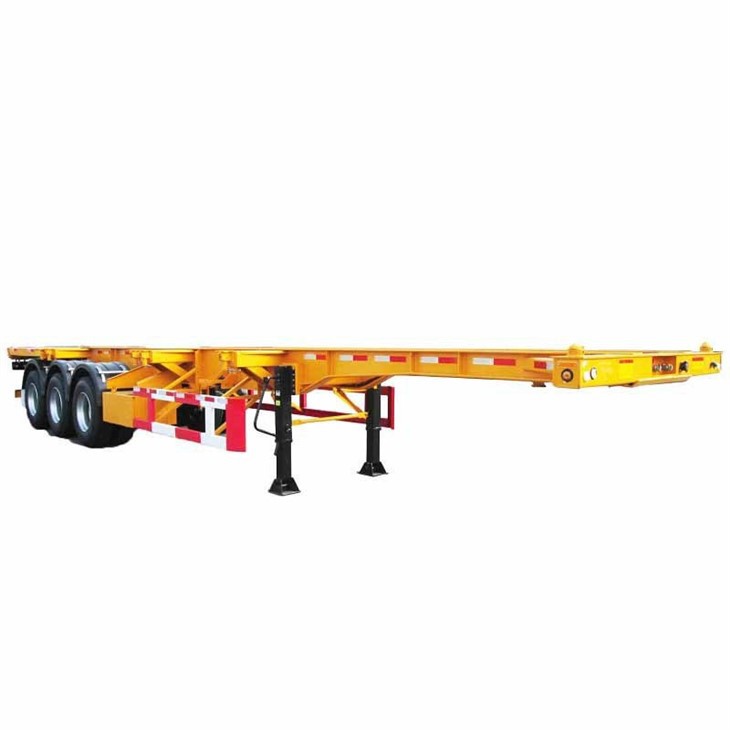
As a dock trailer supplier, we offer a wide range of trailers to suit different needs. Check out our 2/3 Tri Axle Port Yard Terminal Flatbed, which is a great option for transporting heavy equipment in port yards. We also have the Terminal Port Skeleton Container Semi Trailer for container transportation, and the Container Chassis Tractor Semi Truck Trailer for hauling shipping containers. All our trailers are equipped with high - quality brakes to ensure your safety on the road.
If you're in the market for a dock trailer and want to learn more about the brake options or have any other questions, don't hesitate to reach out. We're here to help you make the right choice for your business. Whether you're a small - scale operator or a large - scale logistics company, we have the perfect trailer for you.
Conclusion
In conclusion, the type of brakes your dock trailer has can have a huge impact on its safety and performance. Electric brakes are simple and cost - effective for smaller trailers, hydraulic brakes offer more power for medium - sized trailers, and air brakes are the top choice for large and heavy - duty applications. By considering your trailer's size, towing conditions, and budget, you can select the right brakes for your needs.
If you're interested in purchasing a dock trailer or need more information about our products, feel free to contact us. We're happy to assist you with your trailer requirements and help you find the best solution for your business.
References
- "Trailer Brakes: A Comprehensive Guide." Trailer Life Magazine.
- "The Basics of Air Brakes." Commercial Vehicle Safety Alliance.
- "Hydraulic vs. Electric Trailer Brakes." RV Tech Tips.